McLean Or Arlington For Your Next Move-Up Home
July 16, 2026
July 16, 2026
Trying to decide between McLean and Arlington for your next move-up home? You are not alone. Many Northern Virginia buyers reach this exact fork in the road when they want more space, a better long-term fit, or a different daily lifestyle without giving up access to the D.C. region. The good news is that both markets offer strong options, but they solve very different problems. If you are weighing yard size, home style, commute patterns, and price, this guide will help you compare the trade-offs clearly. Let’s dive in.
McLean is the higher-priced market by a wide margin. Redfin’s May 2026 data shows a median sale price of $1,947,834 in McLean, compared with $834,501 in Arlington County. Homes also moved faster in McLean at about 19 days on average, versus 28 days in Arlington.
That does not mean Arlington is the more competitive market in every case. Arlington’s average sale-to-list ratio was 100.8%, or about 1% above list, while McLean’s was 99.5%, or about 1% below list. In simple terms, Arlington buyers may find themselves in more situations where pricing lands at or above asking, while McLean buyers are often shopping at a much higher absolute price point.
Another useful clue is price per square foot. McLean’s median sale price per square foot was $465, compared with Arlington’s $498. That suggests McLean buyers are often paying more overall for larger homes, more land, or both, rather than paying more for each finished square foot.
If your move-up goal is a larger detached home, McLean stands out quickly. Census QuickFacts shows an owner-occupied housing rate of 86.1% in McLean, compared with 41.3% in Arlington County. The median value of owner-occupied homes was also much higher in McLean at $1,412,700, versus $895,000 in Arlington.
Those numbers reflect a real structural difference between the two markets. McLean leans heavily toward ownership and detached housing, while Arlington includes a much larger condo and renter base. For many move-up buyers, that difference shapes not just the home search, but also the feel of daily life.
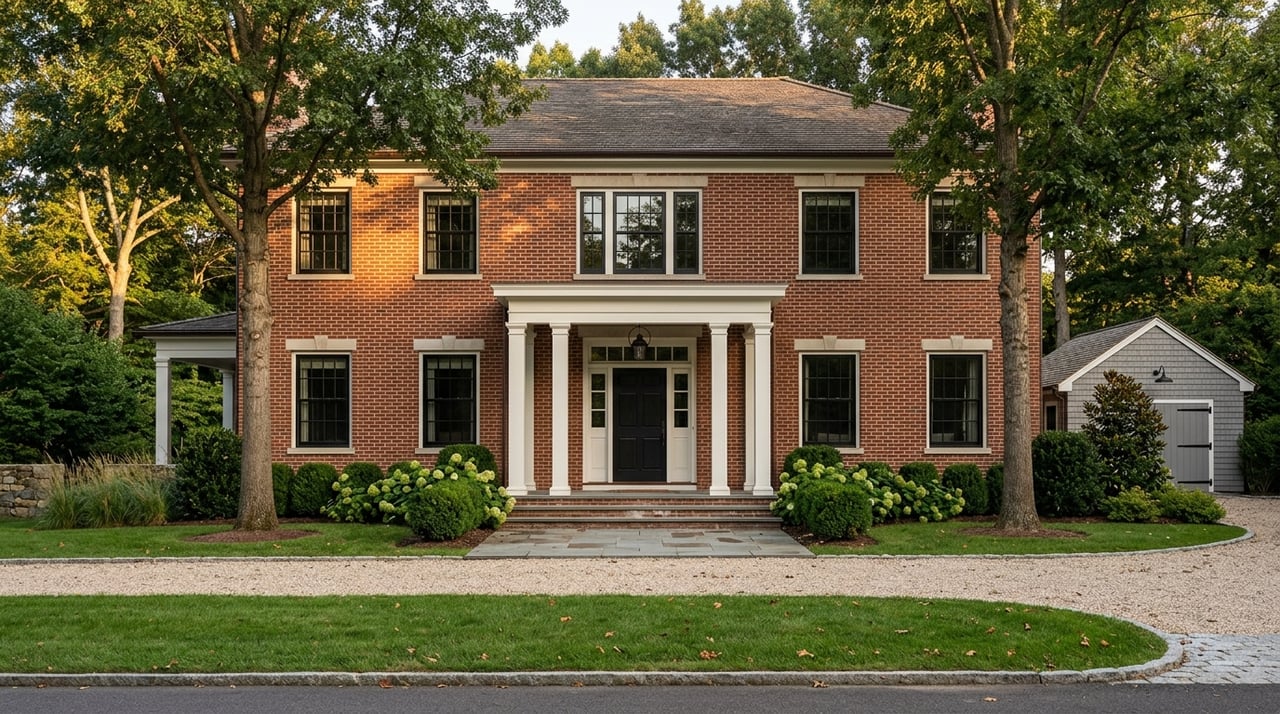
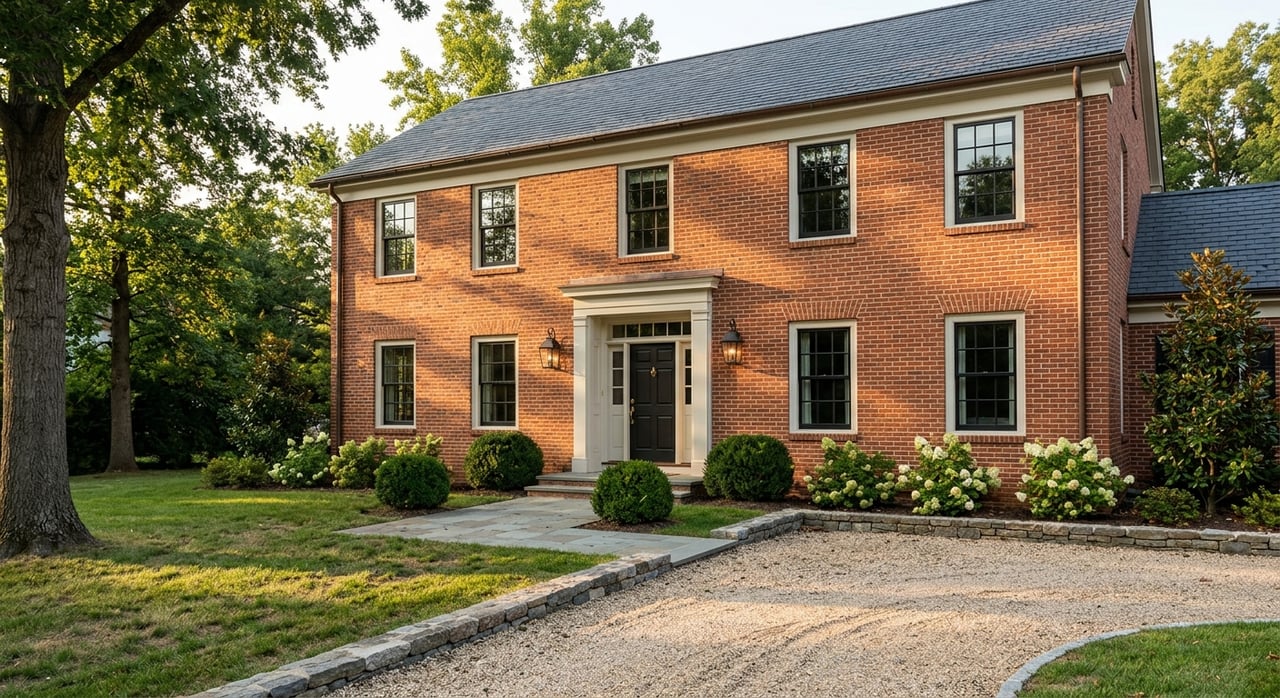
Fairfax County planning materials describe McLean as a well-established area where single-family detached homes are the predominant housing type. The area is also known for lots that often include mature trees, which supports the kind of privacy and yard space many buyers start prioritizing after outgrowing a starter home.
Arlington is more mixed in both housing type and neighborhood form. The county says 99% of net housing growth since 2020 has come from multifamily apartments and condos. At the same time, 75% of residential land is still zoned exclusively for single-family detached homes.
Arlington has also expanded its housing mix through its Expanded Housing Option rules. On qualifying single-family lots, the rules now allow duplexes, semidetached dwellings, townhouses, and multifamily buildings up to six units. For you as a move-up buyer, that means Arlington can offer more ways to step up without immediately moving into the detached-home pricing tier common in McLean.
That variety shows up in listing patterns too. Redfin’s Arlington lot-size page reported 420 condos, 123 townhouses, and 2 multifamily units for sale in the prior month. If your next move is about adding space but keeping flexibility on price, housing type, or location, Arlington often gives you more paths to get there.
For many move-up buyers, the real question is not just square footage. It is land. It is distance between homes. It is whether you want a larger yard, more outdoor space, or a quieter setting.
McLean tends to deliver more of that suburban estate feel. Current McLean lot-size examples in the research included a 1.1-acre lot at $1.9M, a 0.48-acre lot at $1.699M, a 0.49-acre lot at $3.798M, and a 3.88-acre lot at $2.495M. Those examples are not the entire market, but they show the kind of land profile buyers often associate with McLean.
Arlington can still offer larger lots, but they are less typical and often come at a premium because of land scarcity. The county’s assessment FAQ uses a 6,000-square-foot single-family lot as an example of how land is valued by buildable site. The research also highlighted Arlington examples such as a 10,486-square-foot lot in Madison Manor and a 0.69-acre property in Country Club Hills.
If you picture backyard play space, mature landscaping, and more separation from neighbors, McLean usually fits that picture more often. If you care more about location efficiency and can live with a smaller lot or attached home, Arlington may make more sense.
Your next home is also about how you move through the week. On transit access, Arlington has the deeper network. The county says it has 11 Metro stations, and Arlington Transit connects neighborhoods to Metrorail and the Virginia Railway Express.
Arlington’s broader transit system also includes Metrobus, MetroAccess, STAR, and VRE. Neighborhoods such as East Falls Church, Ballston, Clarendon, Rosslyn, Pentagon City, and Crystal City are all noted by the county as transit-rich areas. If you want more no-car or one-car flexibility, Arlington has a clear advantage.
McLean still offers meaningful transit access, especially by suburban standards. Fairfax County notes that the Silver Line connects Tysons, Reston, Herndon, and Dulles to the regional rail system, and Fairfax Connector maintains a park-and-ride at McLean Metrorail Station on Dolley Madison Boulevard.
Tysons also strengthens McLean’s access story. The McLean, Tysons, Greensboro, and Spring Hill stations support travel into and through the corridor, and circulator routes 423 and 427 connect office, shopping, and Metro destinations. If your routine involves driving plus transit rather than transit-first living, McLean can still work very well.
Move-up buyers often focus on bedrooms, baths, and lot size first. But the daily pattern of life can become the deciding factor. Where do you want to grab dinner, run errands, or spend a Saturday afternoon?
McLean’s retail pattern is more village-like. Fairfax County describes the McLean Community Business Center as including several neighborhood shopping centers, and the county’s downtown McLean design guidance calls for outdoor dining areas, gathering spaces, and a neighborhood-village character.
Tysons adds another layer to that lifestyle. According to the research, Tysons East now offers more than a dozen places to sip and dine, along with apartments, hotels, a Wegmans, and Capital One Hall. So while McLean itself may feel quieter and more residential, you still have a major commercial and dining hub nearby.
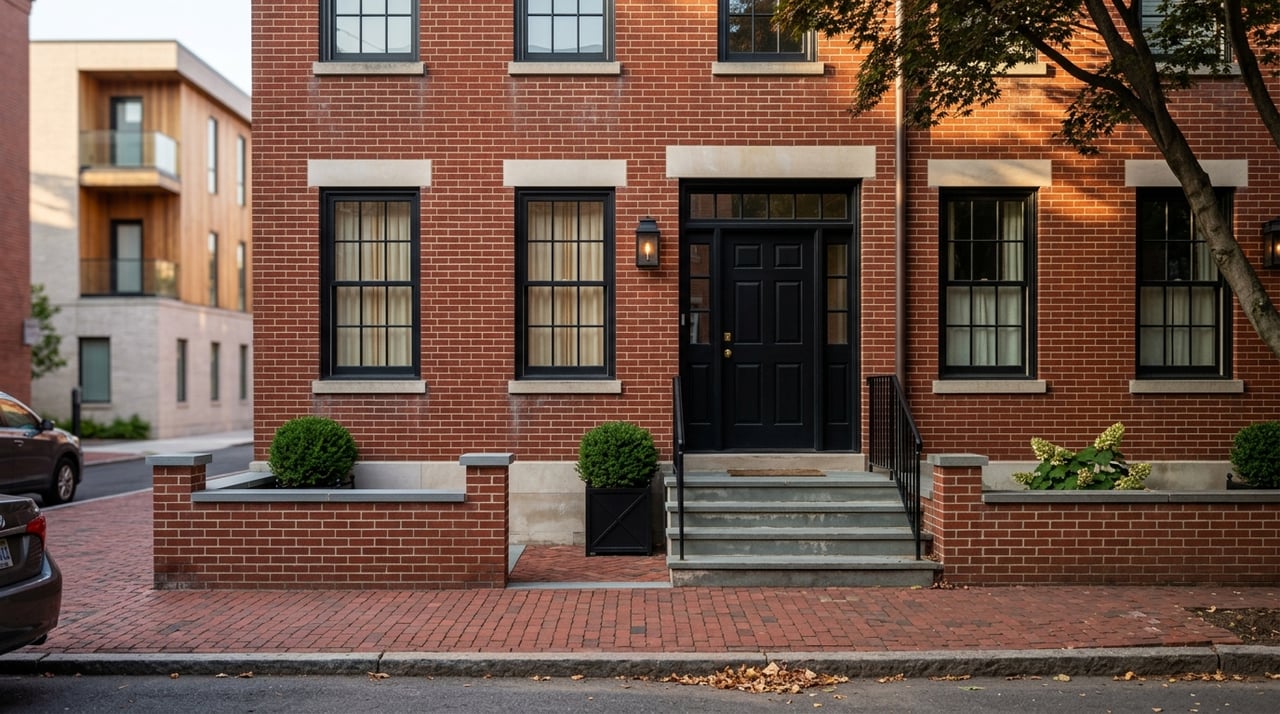
Arlington offers a more district-based, walkable model. The county describes Clarendon as a walkable neighborhood with shops, bars, and restaurants, Ballston as a busy downtown, Pentagon City as a dining and shopping destination, Shirlington as an arts-and-entertainment hub, Columbia Pike as a corridor with culturally diverse restaurants, and Crystal City as a mixed-use area with shops and residential buildings.
In practical terms, Arlington often makes it easier to build everyday errands and social plans around walking or short transit trips. McLean tends to offer a calmer residential setting with neighborhood retail plus easy access to Tysons. Neither is better in the abstract. It depends on how you want your week to feel.
| Factor | McLean | Arlington |
|---|---|---|
| Median sale price | $1,947,834 | $834,501 |
| Average days on market | 19 | 28 |
| Sale-to-list ratio | 99.5% | 100.8% |
| Median price per square foot | $465 | $498 |
| Housing pattern | Mostly single-family detached | Mix of condos, townhomes, and detached homes |
| Transit access | Silver Line plus Tysons connections | 11 Metro stations plus broader transit network |
| Typical lifestyle feel | More space, privacy, suburban setting | More walkability, density, and district-based activity |
McLean may be the better fit if your top priorities are a detached home, a larger yard, privacy, and a more established suburban setting. It is especially compelling if you want to stay close to Tysons and still keep regional access through the Silver Line.
Arlington may be the better fit if you want more housing options, a lower entry point than McLean, stronger transit redundancy, and more daily walkability. It can be a smart next step if you are moving up from a condo, apartment, or smaller townhome and want more space without fully trading location convenience for land.
The key trade-off is simple. McLean usually gives you more land and a quieter home setting. Arlington usually gives you more transit, more walkable districts, and more ways to move up at different price points.
A smart search starts with your actual lifestyle, not just your wish list. If you know how you rank space, commute flexibility, housing type, and budget, you can narrow your next move much faster and with fewer compromises.
When you are ready to compare neighborhoods, pricing, and home types with local context, Taylor J Barnes can help you evaluate McLean and Arlington with the kind of practical guidance that makes a move-up decision easier.
Stay up to date on the latest real estate trends.

Get assistance in determining current property value, crafting a competitive offer, writing and negotiating a contract, and much more. Contact me today.