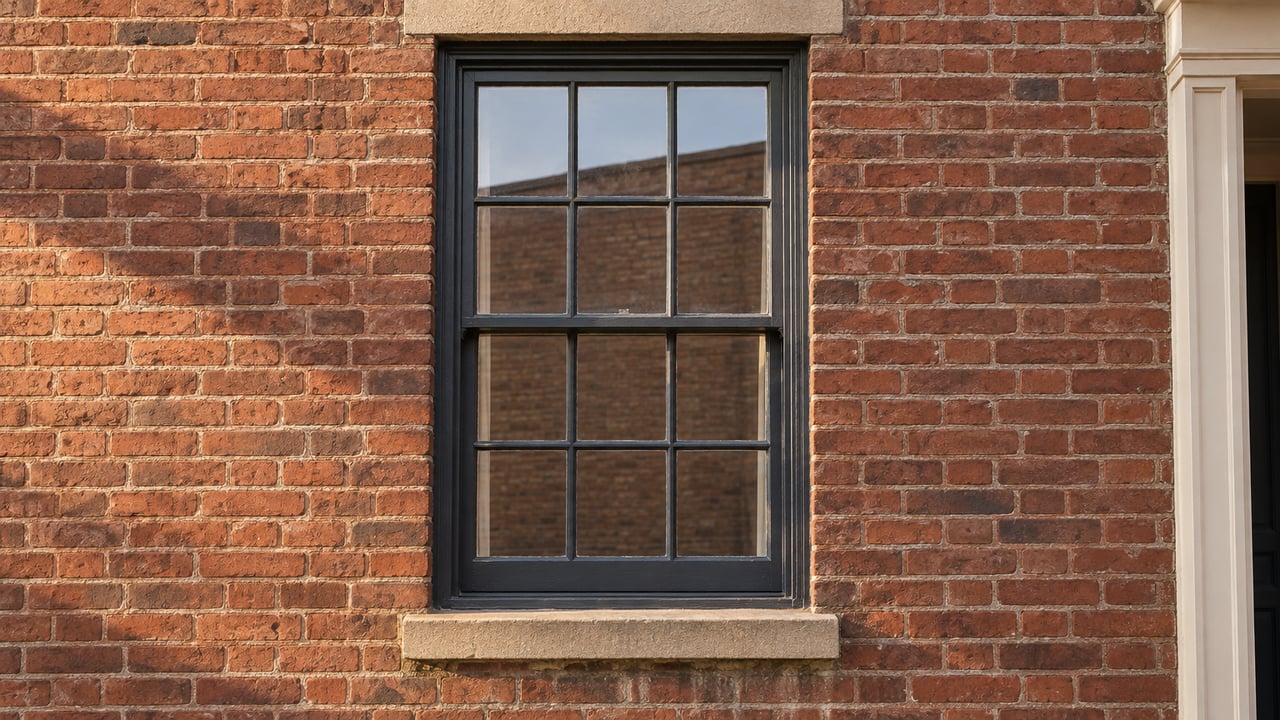
The Same Window Repair Can Take Two Weeks Or Two Months in Old Town Alexandria
October 1, 2026
October 1, 2026
"Ordinary maintenance, or any repair or replacement with the same design, color and material" is the phrase Alexandria uses to describe what does not require a public hearing before you touch the outside of a home in the Old and Historic Alexandria District or Parker-Gray. It reads like a green light. For a seller trying to get a historic Old Town property photo-ready by a specific date, it is closer to a coin flip, because the same physical repair on two houses a block apart can land on opposite sides of that sentence.
That distinction matters more this fall than it has in years, because the guidelines defining "ordinary maintenance" are themselves being rewritten right now.
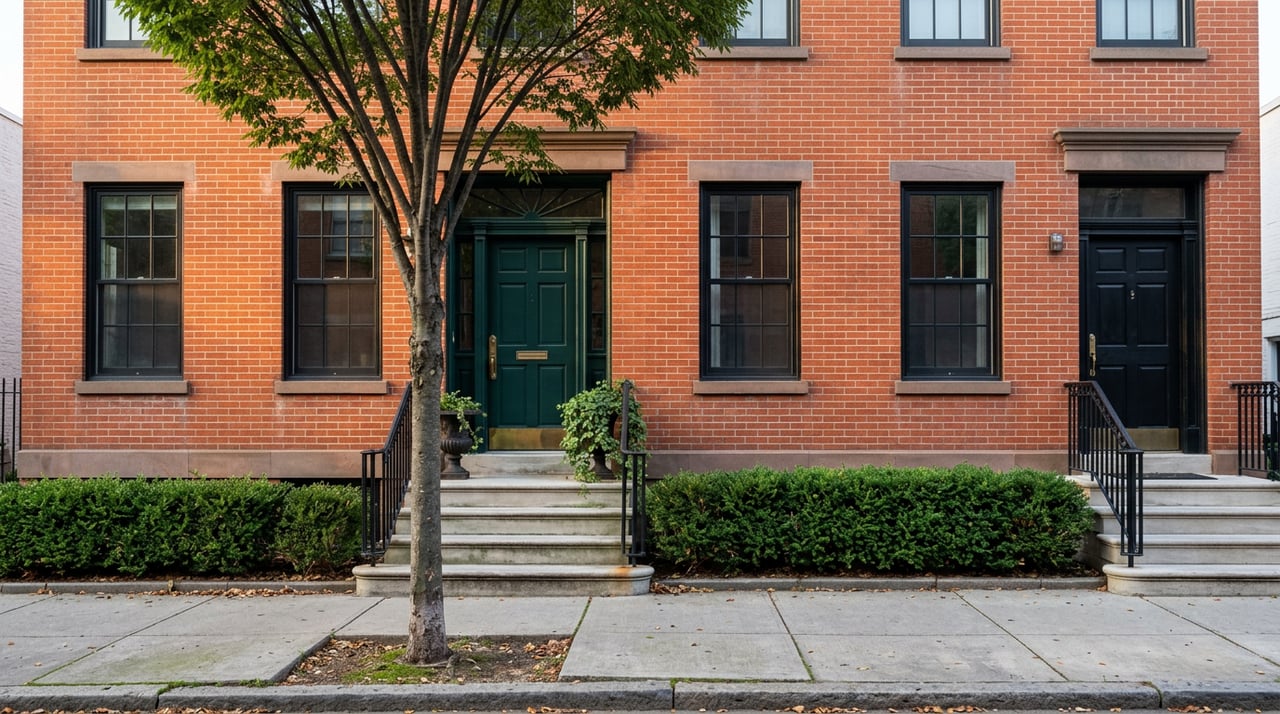
Old Town sits inside two locally regulated historic districts, the Old and Historic Alexandria District and Parker-Gray, and each has its own version of the rulebook. Parker-Gray splits properties into pre-1932 and post-1931 construction, and that single date does a lot of work. A pre-1932 house with front-facing historic windows is expected to have those windows repaired and retained rather than swapped out, while a post-1931 home in the same district has more flexibility, provided any replacement still meets the city's own Replacement Window Performance Specifications.
Elevation adds a second layer. Whether a wall faces the street, the side yard, or the rear determines whether a project needs review at all. Shutters follow the same logic: a pre-1932 house with front-facing shutters needs administrative review before those shutters come down, but the identical job on a side or rear wall, or on a post-1931 home, does not.
Distance from the property line adds a third variable. A post-1931 window more than 15 feet back from the front property line can skip review entirely and use nearly any material or configuration, while that same window at 10 feet back is back under BAR's eye.
Put those three variables together and you get a scenario that trips up sellers constantly: two houses on the same street, similar age, same shutter replacement job, and only one of them needs a sign-off, because one sits closer to the sidewalk or crossed the 1932 line by a few years.
Once a project needs BAR's attention, the path it takes changes the calendar dramatically.
| Project type | Review path | Typical timeline |
|---|---|---|
| Storm windows, in-kind roof repair, same-color repaint | Staff administrative approval | A few days to about two weeks |
| Full window or door replacement, additions, new construction, demolition | Full BAR public hearing | Roughly 4 to 8 weeks from submission to decision |
| Larger renovation projects, design through permit | Hearing plus standard permitting | Often 2 to 4 months start to finish |
A seller who assumes every exterior fix falls into the first row can build a listing date around a two-week buffer, then discover midway through that the scope actually belongs in the second or third row. The gap between those rows is not a rounding error. It is the difference between photos going up next month and a listing that slips a full season.
The Design Guidelines that define all of this were written in 1993, and the city is currently replacing them chapter by chapter. A public meeting on August 19, 2026 walked through eleven updated chapters covering both the Old and Historic Alexandria and Parker-Gray districts, with public comment accepted through September 2, 2026. A separate community meeting on September 10, 2026 covered proposed zoning text changes affecting both local historic districts and the city's 100-Year-Old Buildings list. Details on both processes are posted on the city's historic preservation page.
None of that is finalized yet, and that is precisely the point for anyone timing a sale. A renovation scoped against today's guidance could be reviewed months from now against an updated chapter, which means a seller who locks in a contractor bid and a listing date in October based on the current rulebook is planning against a moving target. This isn't a reason to delay a project. It is a reason to build in more room than the standard timeline suggests, and to ask preservation staff directly whether the specific chapter covering your project is one of the eleven currently under revision.
A few specifics catch sellers off guard more often than the big items like additions or demolitions:
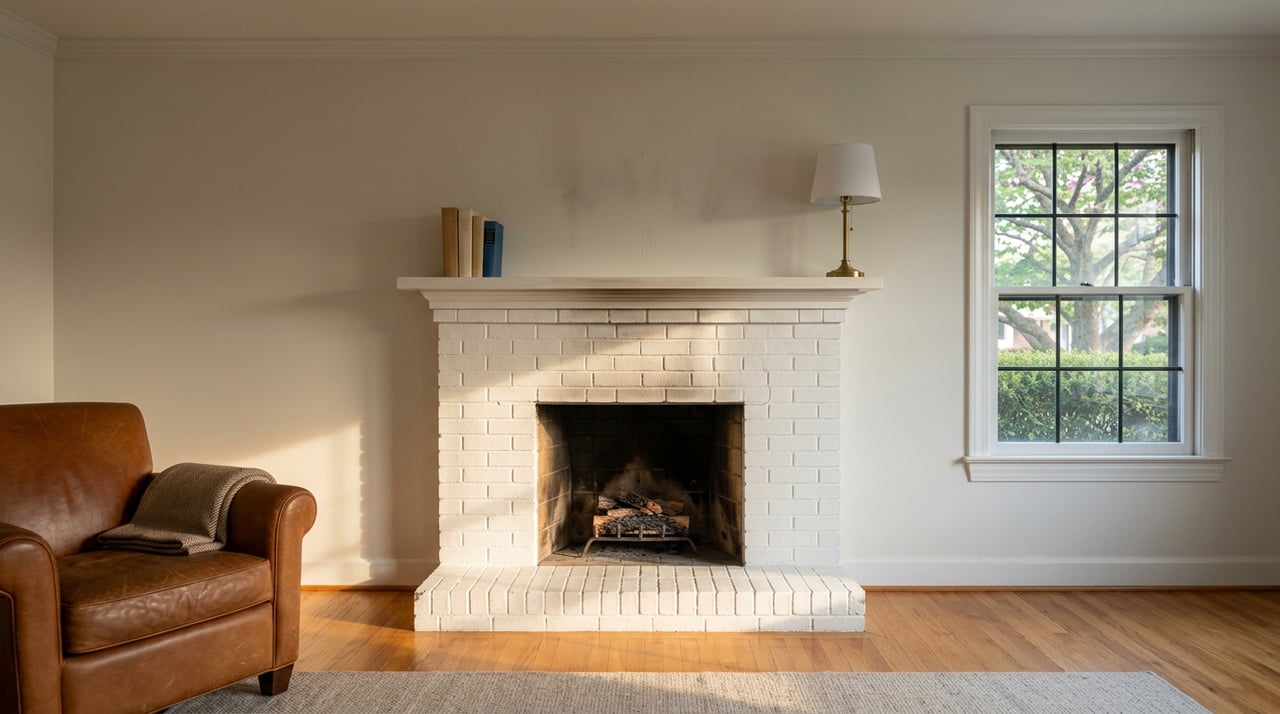
Exterior paint generally does not need any BAR approval, unless the surface being painted is masonry that has never been painted before. A seller who assumes a fresh coat on the trim is automatically fine is usually right, but the same assumption applied to unpainted brick is not.
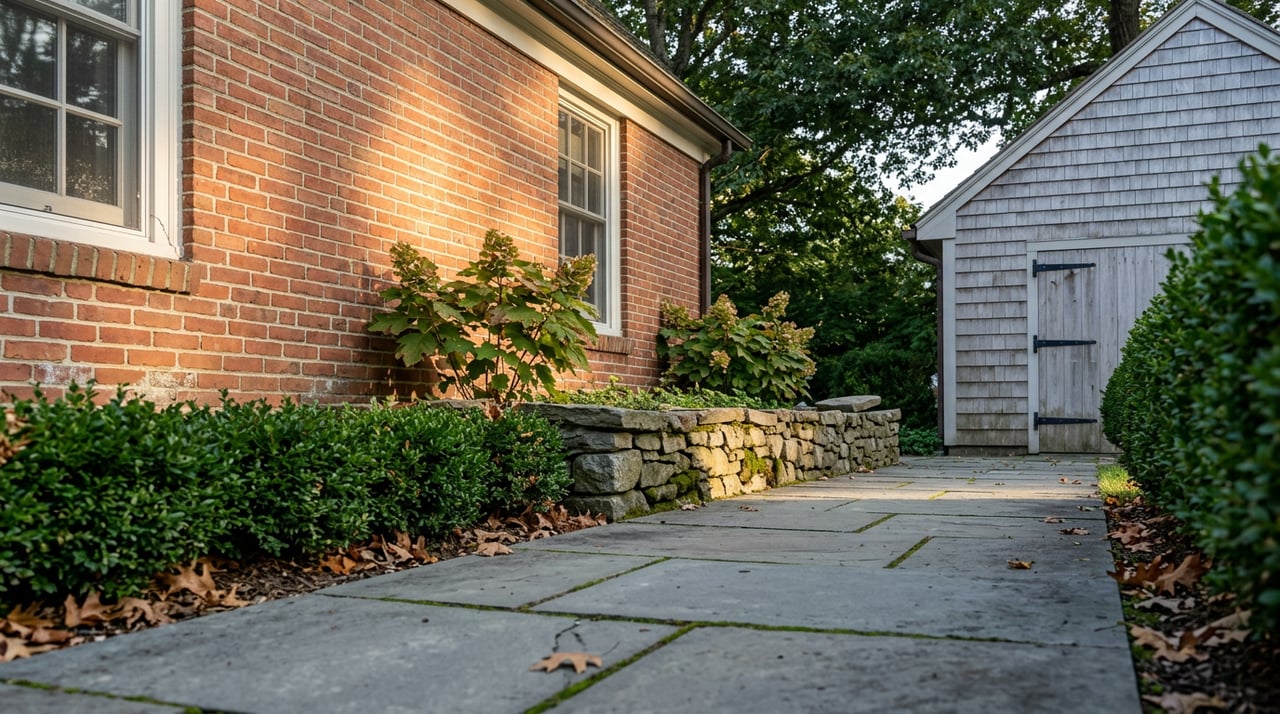
A house outside the mapped Old Town boundary is not automatically exempt. The city separately maintains a list of "100-Year-Old Buildings" that fall under BAR oversight regardless of district lines, so age alone can trigger review even for a property a seller assumed was outside the historic district entirely. The city's historic districts page includes the map viewer that shows both district boundaries and the separate 100-Year-Old Buildings designations.
A building permit for window replacement is required regardless of the BAR outcome. Staff-level administrative approval clears the historic-preservation hurdle, but the standard building permit step still has to happen on top of it.
BAR holds hearings on the first and third Wednesday of each month, except August. A seller aiming for a fall listing who assumed monthly hearings run straight through the summer needs to account for that gap month, because a project that missed the July docket does not get another shot until September.
The practical move is to contact preservation staff before committing to a listing date, not after signing a listing agreement. Staff can confirm in advance whether a specific scope of work qualifies for administrative sign-off or is headed for a full hearing, and that single conversation often does more to protect a timeline than any contractor bid.
Does painting my Old Town home need BAR approval before I list it? Only if the surface is masonry that has never been painted. Repainting already-painted trim, siding, or brick in the same color does not require sign-off.
What if my house is not inside the mapped historic district boundary? It can still fall under BAR oversight if the city has designated it as a 100-Year-Old Building. Being outside the Old Town map is not the same as being outside review.
Will the rules change before my renovation is finished? Possibly. The city is revising its Design Guidelines chapter by chapter through the rest of 2026, so a project reviewed under today's guidance could be evaluated against an updated chapter by the time it reaches a hearing.
A pre-listing renovation in Old Town is rarely just a construction question. It's a scheduling question that depends on the house's age, which wall the work touches, how far back from the street it sits, and which version of the guidelines is in effect the week the application lands on staff's desk. Sellers who map that timeline before signing a listing agreement avoid the version of this story where the photos are ready but the paperwork isn't.
If you're weighing renovation timing against a listing date for a historic Old Town property, Barnes Real Estate Company can walk through the sequencing with you before you commit to either one.
Stay up to date on the latest real estate trends.


Get assistance in determining current property value, crafting a competitive offer, writing and negotiating a contract, and much more. Contact me today.