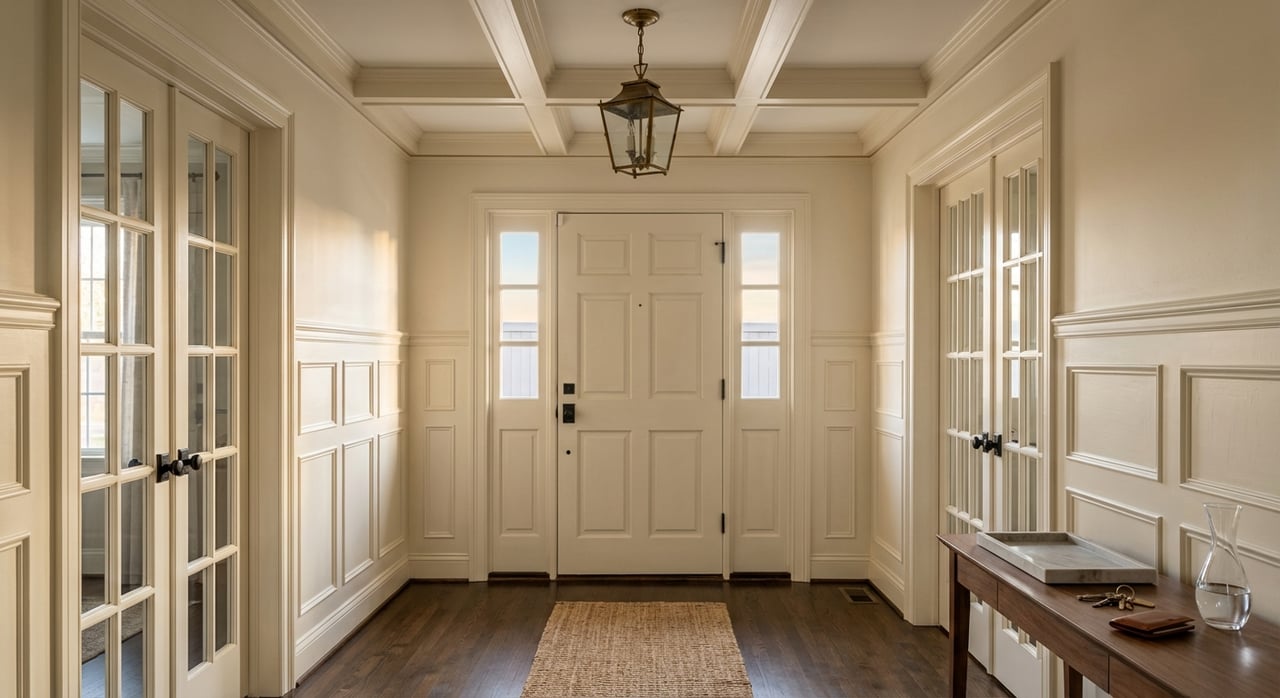
How to Sell an Older Home in Fairfax County
February 19, 2026
February 19, 2026
Selling an older Fairfax County home can feel like two jobs at once: honoring your home’s character while navigating modern buyer expectations. You want a smooth sale at a fair price, without last-minute surprises or repair drama. In this guide, you’ll get a clear, step-by-step plan tailored to Fairfax County rules, common inspection issues, and today’s market so you can prep, price, and close with confidence. Let’s dive in.
Fairfax County’s 2025 residential assessments rose about 6.65%, with the average assessed value around $794,235. That shift affects property taxes and signals a moving pricing backdrop for sellers. You should base your list price on a hyper-local CMA that compares the most recent 4 to 12 weeks of sales in your micro-neighborhood.
Fairfax has a large stock of mid-century homes. Many buyers love original details, but they also expect safe electrical systems, functional HVAC, and reasonable energy performance. If updates are limited, your price should reflect the work a buyer may take on.
Virginia requires a standardized Residential Property Disclosure acknowledgement for most 1 to 4 unit sales. Review the state’s guidance so you understand what buyers are told to investigate and what you need to disclose. Be especially mindful of any known pending building-code or zoning enforcement actions that affect habitability or compliance, which must be disclosed in writing under state law. Transparency matters. Keep copies of all signed forms and supporting records.
If your home was built before 1978, federal lead-based paint rules apply. You must provide buyers with the EPA/HUD lead safety pamphlet, disclose any known information about lead-based paint or hazards, and allow time for a lead test unless waived by the buyer. If you plan pre-list repairs that disturb painted surfaces, hire an EPA RRP-certified contractor who follows lead-safe work practices.
Fairfax County issues permits and conducts inspections through Land Development Services. Before listing, check whether past improvements were permitted, whether any permits remain open, and whether final inspections were approved. If you plan repairs, confirm whether permits are required and verify contractor licensing, insurance, and complaint history through the county’s Consumer Affairs guidance.
Some Fairfax County properties sit in Historic Overlay Districts or on the County Inventory of Historic Sites. Exterior changes in these areas may need Architectural Review Board approvals, which can affect timelines and costs. Confirm any restrictions early and include them in your disclosure packet so buyers have clarity.
Fairfax County is mapped by the EPA as a Zone 1 area, which indicates high potential for radon. Buyers frequently test for radon during inspections and may request mitigation if levels are elevated. Plan for that possibility. Other environmental items such as septic systems or older plumbing materials can also arise. Keep documentation where available and be ready to respond.
Start with a paper trail. Collect:
These items support your disclosures and help buyers feel confident.
A seller-ordered inspection can surface issues on your timeline. You can choose what to fix, what to disclose, and whether to price accordingly. Recent REALTOR reporting shows more agents recommending pre-list inspections to reduce canceled contracts and last-minute friction. If you go this route, consider a general inspection plus targeted tests such as radon, WDI/termite, sewer camera, chimney or roof evaluation.
Pros:
Cons:
Address or disclose high-impact items before listing. These issues commonly derail deals if ignored.
If a fix is relatively modest and will materially improve marketability, consider doing it. For larger structural or system items, you can list as-is, disclose clearly, obtain estimates, and consider offering a credit. Be aware that FHA and VA appraisals focus on safety and soundness, and lender-required repairs can come up.
Not every update needs to be a full remodel to move the needle.
When you bring in pros, protect your sale by documenting the work.
Verify contractor licensing, insurance, and complaint history using the county’s contractor guidance
Get written estimates, scopes of work, and timelines
Pull required permits, and keep copies of approvals and final inspection signoffs
Close any open permits before listing if possible
Start with Fairfax County’s Hiring a Contractor page and Land Development Services.
Create a simple folder that buyers’ agents can request. Include:
A clear packet signals honesty and reduces back-and-forth during negotiations.
Staging works. Industry reporting from NAR shows that staging often reduces days on market and can help produce stronger offers. For older homes, staging is about letting the architecture and good bones shine while keeping the look fresh and neutral.
Practical tips for older homes:
You have three practical approaches. Your agent can help you weigh timing, budget, and risk.
Use current local comps within your micro-neighborhood and within the last few weeks. Remember that Fairfax County’s changing assessment environment is a broad signal, not a pricing rule. Your price should be set by what buyers recently paid for similar homes nearby.
Expect buyer inspection requests and be ready for appraisal comments, especially if the buyer uses FHA or VA financing. Lenders focus on health, safety, and structural soundness, so documented repairs and receipts help you keep the deal on track. Organization is your friend.
Closing checklist for older homes:
If you want a clean, confident sale, start with a neighborhood-specific pricing plan and a focused prep list. You will save time, reduce stress, and protect your bottom line by tackling safety and documentation first, then staging and smart pricing. For a local, step-by-step strategy and an instant read on value, connect with Taylor J Barnes and Get Your Instant Home Valuation.
Stay up to date on the latest real estate trends.




Get assistance in determining current property value, crafting a competitive offer, writing and negotiating a contract, and much more. Contact me today.