Alexandria VA Lifestyle: Daily Life in Old Town
February 5, 2026
February 5, 2026
Picture morning coffee on a brick sidewalk, a short stroll from the Potomac. If you are weighing a move to Northern Virginia, Alexandria’s historic core is likely on your radar. In this guide, you will get a clear picture of daily life in Old Town and the adjacent historic districts, including walkability, waterfront routines, commuting, housing character, and practical rules that shape ownership. Let’s dive in.
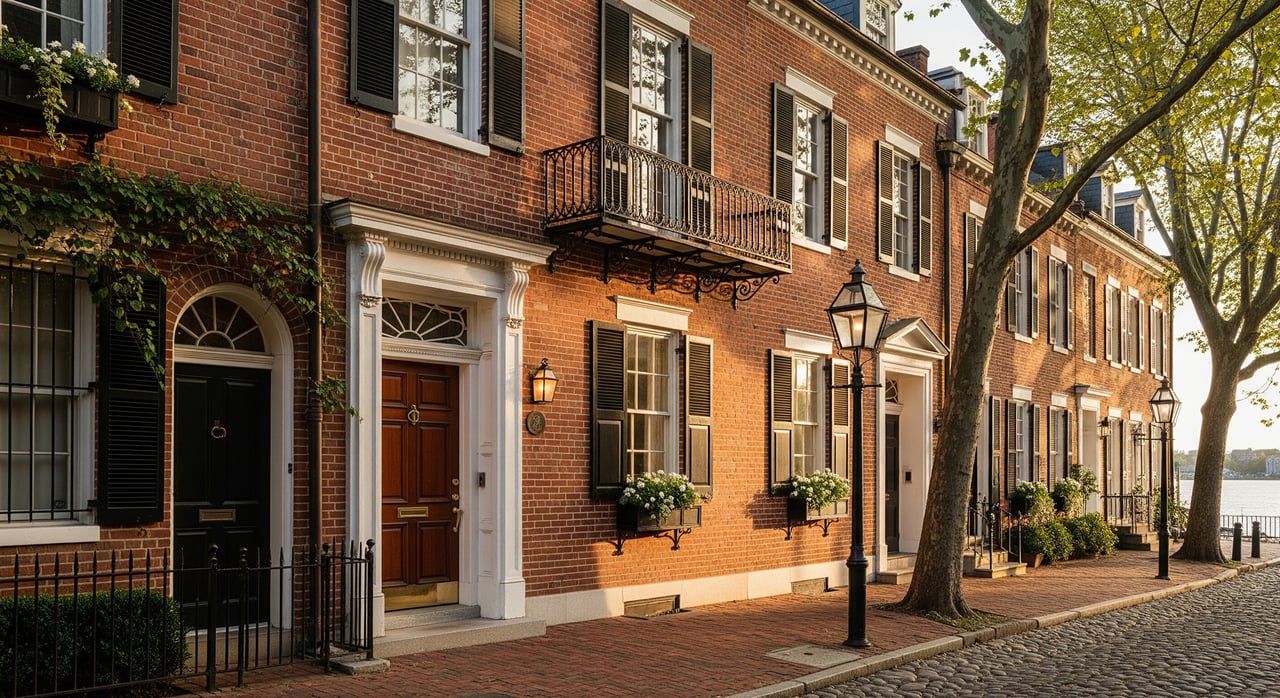
Alexandria was founded in 1749 as a port city, and Old Town preserves much of that 18th and 19th century fabric. King Street is the main corridor, with historic storefronts at street level and offices or residences above. Landmarks like the Torpedo Factory Art Center, Gadsby’s Tavern, and several historic churches and museums anchor the area’s identity. Local preservation programs and district guidelines have been in place for decades, which is why the streets feel cohesive and human-scaled.
You will find brick rowhouses and townhomes on narrow lots, with stacked floors, detailed cornices, and classic Federal or Greek Revival proportions. There are also a few detached historic homes and a number of adaptive-reuse buildings that once served as warehouses or mills near the waterfront. Brick sidewalks, narrow streets, and mature trees add to the intimate streetscape. The result is a neighborhood that reads as both historic and lived-in, not a museum.
Old Town is one of the region’s most walkable places. Many errands can happen on foot, thanks to a dense mix of shops, personal services, and grocery or specialty food options. King Street acts as the spine, while side streets shift quickly to residential blocks with cafés and small markets. If you like to step out for a latte, a quick bite, or dry cleaning without getting in the car, this pattern fits well.
The Potomac waterfront is a daily backdrop and weekend magnet. Public promenades, parks, and the City Marina create room for strolling, biking, and boating when the weather is mild. Seasonal water taxis and shuttles connect to destinations across the river, which adds a fun leisure option. Market Square and Waterfront Park host farmers markets, festivals, and public art, giving you a steady calendar of outdoor activity.
There is a strong arts presence, including working artist studios, galleries, and rotating public art. Historic museums, small independent retailers, and a broad restaurant mix keep the streets lively. Weekends and holiday seasons can be busy, which many residents enjoy for the energy and variety. If you prefer quieter blocks, consider streets a bit off King Street for a calmer day-to-day rhythm.
Alexandria is served by the Blue and Yellow Metro lines, with multiple stations that link to downtown D.C. and the wider network. The Potomac Yard Metro station opened in 2023, expanding rail access near the city’s southeast edge. You can also use Amtrak and Virginia Railway Express for regional and intercity trips. Local buses, the DASH circulator, Capital Bikeshare, and seasonal water taxis round out the options.
Driving works for many households, but you should account for bridge bottlenecks and limited on-street parking in the historic core. A lot of residents walk, bike, or take transit for routine trips, then use a car when needed. Commuting by Metro can shorten travel times to certain job centers, though some routes require transfers.
Most homes in the historic core are older and often have smaller footprints, which adds charm and efficiency but may limit storage or expansion. Many rowhouses remain single-family, while others have been converted to multi-unit dwellings or condominiums. You will also see newer infill townhomes and adaptive-reuse residences in select pockets. The location, character, and access to D.C. typically translate to higher prices than many outlying suburbs, with strong demand from buyers who value historic fabric.
Renovation and upkeep can cost more than in newer areas, especially when historic materials or methods are required. That said, well-maintained homes in the core often hold their appeal, which supports long-term value for many owners.
Historic district design review governs exterior changes, additions, demolitions, and signage within designated areas. This affects timelines and permitted materials for windows, porches, and rear additions. Alexandria also has rules for short-term rentals that may include registration, taxes, and operational limits. On-street parking is permit-based in many blocks, and curb space is limited, so plan for resident permits and guest parking.
The appeal is clear: walkability, waterfront access, and a rich cultural scene close to D.C. The trade-offs are real too, including smaller interiors, limited private outdoor space, and tight parking. Visitor activity adds energy and convenience, but some streets feel crowded during events or peak tourism. If you value character and daily convenience, the balance often lands in your favor.
Choosing a home in the historic core is as much about lifestyle as it is about the property. You benefit from guidance that blends neighborhood memory with practical, deal-tested advice. As a third-generation Alexandria brokerage, we help you compare blocks, understand design review and renovation timelines, and scope total cost of ownership. We also advise on condominiums, rentals, and adaptive-reuse options if you want historic character with fewer maintenance demands.
If you are thinking about selling, we can position your home’s history, improvements, and location to capture the right buyers. Want a quick read on value before you decide? Get your instant home valuation, then talk with us about timing, pricing, and the steps that matter in historic districts. Ready to walk a few blocks and see how life unfolds here? Reach out to Taylor J Barnes for local, evidence-based guidance.
Stay up to date on the latest real estate trends.





Get assistance in determining current property value, crafting a competitive offer, writing and negotiating a contract, and much more. Contact me today.