Alexandria Waterfront Living Guide: Homes, Transit & More
June 4, 2026
June 4, 2026
If you want a home base with river views, walkable streets, and easy access to restaurants and transit, Alexandria’s waterfront has a lot to offer. It also comes with practical tradeoffs that are easy to overlook when you are focused on the charm of Old Town. This guide will help you understand what living near the Alexandria waterfront really looks like, from housing options and daily convenience to parking and flood risk. Let’s dive in.
When people talk about the Alexandria waterfront, they are usually describing more than one block or one park. The area is best understood as a riverfront corridor connected to Old Town and Old Town North, with parks, homes, restaurants, and transportation all woven together along the Potomac.
Old Town is Alexandria’s historic core and includes a walkable downtown, preserved architecture, museums, and more than 200 independent restaurants and boutiques near the waterfront. Just to the north, Old Town North extends from the Potomac River to Washington Street and includes a mix of residents, creative businesses, and cultural destinations.
That broader view matters when you are looking at homes. Two properties may both be described as “near the waterfront,” but one may be steps from Waterfront Park while another is closer to Oronoco Bay Park or the northern edge of Old Town North.
One of the biggest draws of this area is its variety. Near the waterfront, you are not limited to one housing type or one building era, which gives buyers and renters more options depending on budget, style, and space needs.
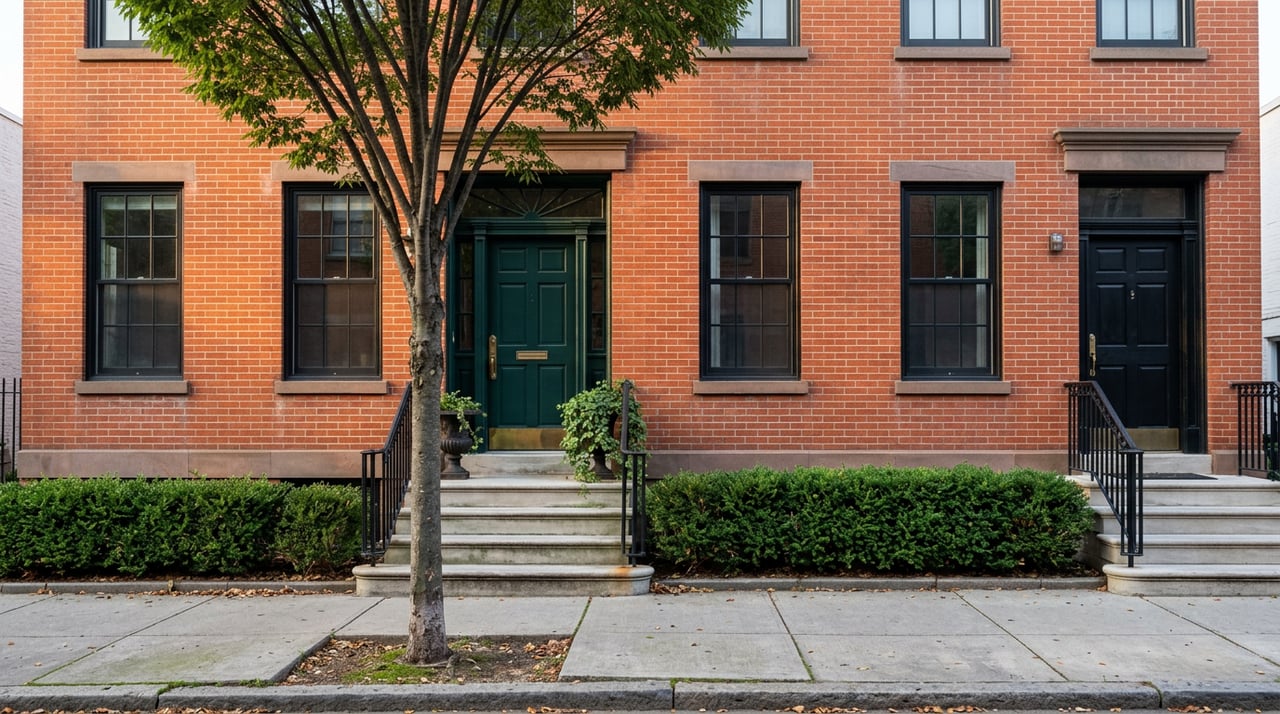
City housing analysis notes that Old Town has a high concentration of townhouse and townhouse-like buildings. In simple terms, that helps explain why the area feels layered and varied instead of uniform.
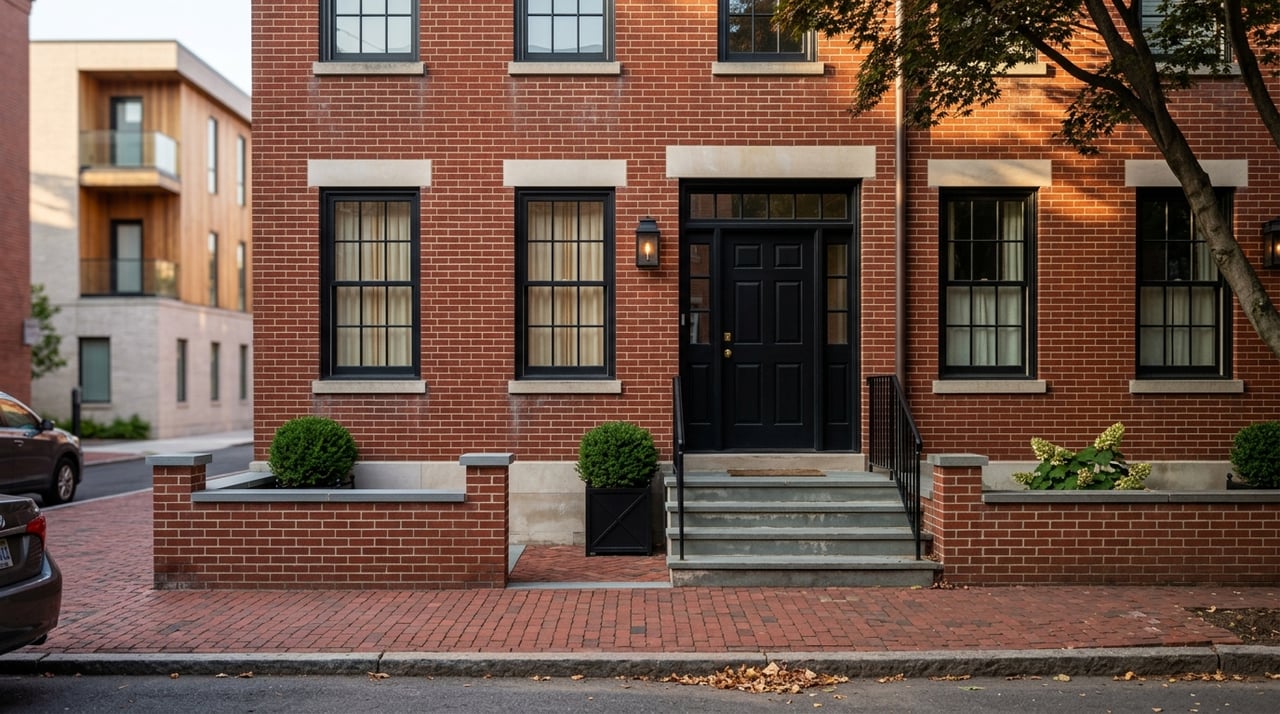
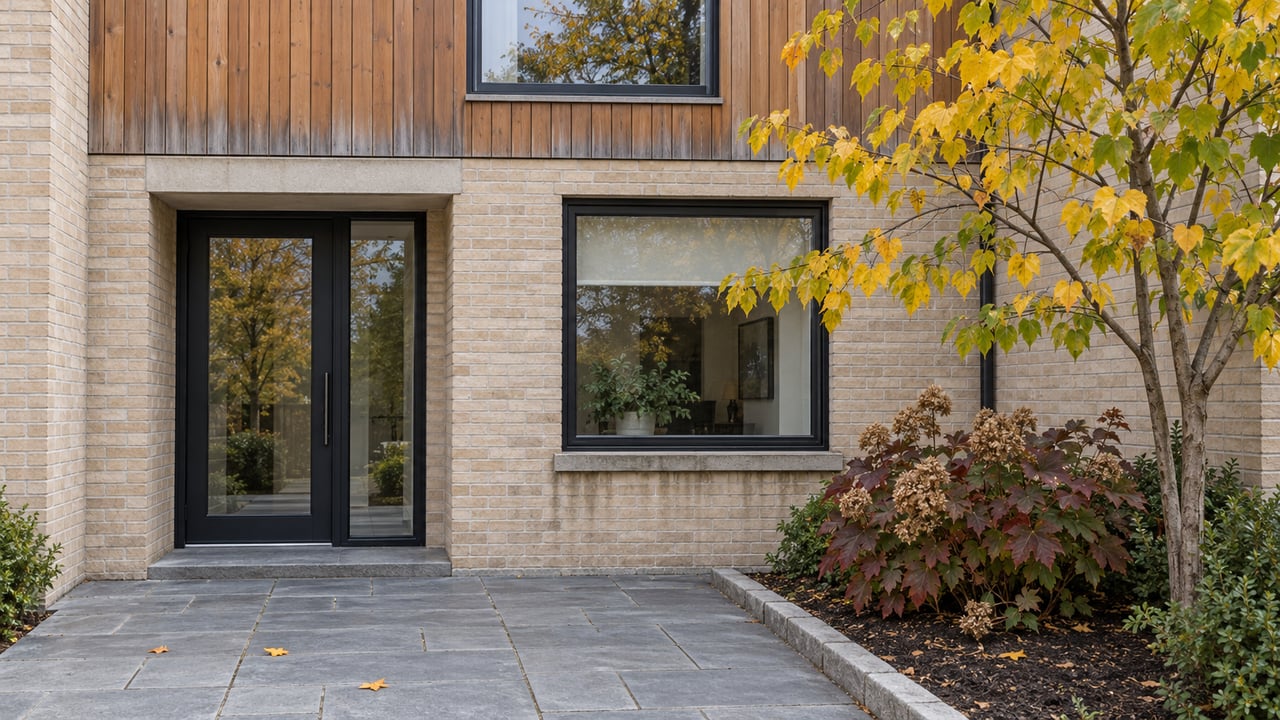
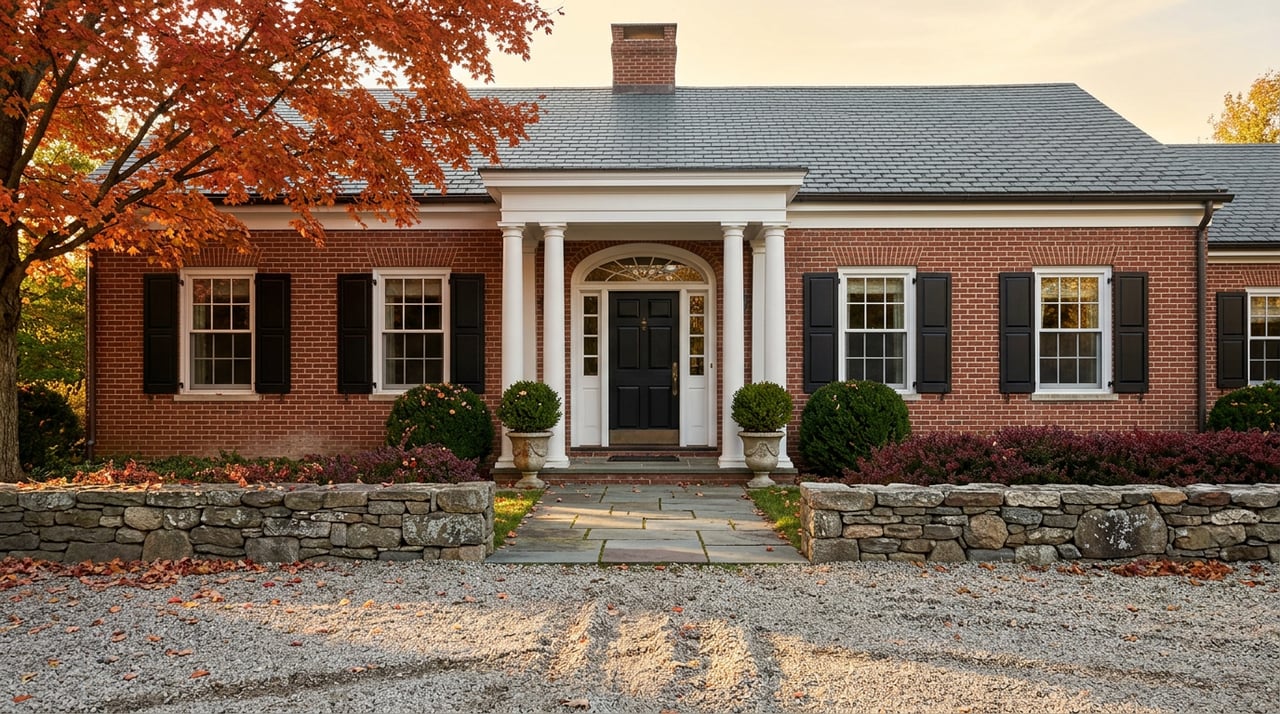
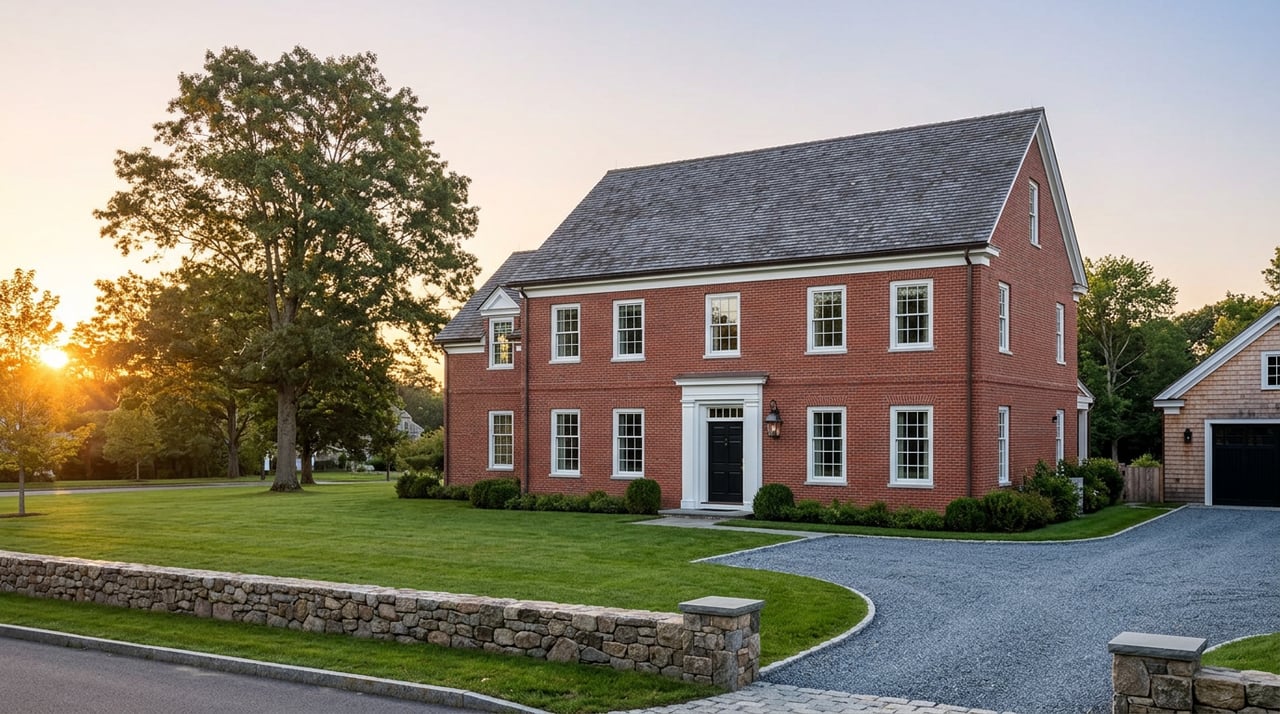
In and around Old Town North, the built environment ranges from Colonial Revival-era townhomes to 1970s concrete and brick residential towers, plus newer mixed-use and multi-unit projects. If you are searching here, you may find yourself comparing a historic rowhouse-style block, an older condo building, and a newer building with modern layouts all within a short walk of the river.
That range of housing stock affects your day-to-day experience. Older homes may offer character, classic facades, and established streetscapes, while newer projects may emphasize layouts, balconies, courtyards, and easier building access.
Neither option is automatically better. The right fit depends on how you live, how much maintenance you want, and which tradeoffs matter most to you.
Living near the Alexandria waterfront is not just about the water itself. It is about having parks, trails, dining, and cultural activity within easy reach.
The waterfront is unusually park-rich for such a central area. Waterfront Park is part of the city’s linear waterfront park system and hosts small city-sponsored festivals and events.
Oronoco Bay Park adds benches, picnic space, trails, and waterfront access, and it is also a frequent event site. Windmill Hill Park is part of the same linear park system and now features a natural shoreline in place of the former bulkhead.
If you like having outdoor space close to home, this part of Alexandria offers a strong everyday advantage. You can step out for a quick walk, sit by the river, or enjoy community events without needing to leave the neighborhood.
The Mount Vernon Trail is a major lifestyle feature for waterfront residents. According to the City, 5.6 miles of the 18-mile trail run through Alexandria along the Potomac River, connecting to Mount Vernon, Theodore Roosevelt Island, and other regional trail links.
That means walking, running, and biking can become part of your normal routine. For many people, that kind of direct access is one of the biggest reasons to live nearby.
Water access also shapes the area’s appeal. The City Marina offers sightseeing, charters, and seasonal water taxi service to Georgetown, Mount Vernon, and National Harbor, with service operating from March 1 through December 31.
For many buyers and renters, transportation is where the waterfront really stands out. This area combines walkability with strong transit connections, which can make daily commuting and weekend plans much easier.
WMATA says King St-Old Town connects to local DASH routes, Metrobus, and a free daily trolley to Old Town and the Waterfront. Alexandria also has an Amtrak station next to the King Street Metrorail stop, along with a VRE station at the same rail hub.
That gives you multiple ways to get around without relying on a car for every trip. City transit planning materials also describe Old Town as the busiest part of Alexandria, with walkable streets that support easy transit access.
If you want a neighborhood where you can combine errands, dinner, and waterfront time in one outing, this area delivers. King Street’s restaurant and boutique corridor sits within walking distance of the river, which helps create the easy, connected feel many people are looking for.
This convenience can be especially appealing if you commute into Washington or other parts of Northern Virginia. It can also be a strong fit if you simply want more flexibility in how you move through your day.
The waterfront lifestyle is closely tied to dining and street activity. Visit Alexandria highlights waterfront restaurants including Ada’s on the River, BARCA Pier & Wine Bar, Vola’s Dockside Grill, and Chart House, along with other river-view options.
That dining concentration adds energy to the area and gives you plenty of choices for casual meals, gatherings, and evenings out. Combined with the nearby King Street corridor, it helps make the waterfront feel active without needing to go far.
Public spaces add to that rhythm. Waterfront Park also hosts a rotating public art installation from March through November each year, which adds another layer of interest to the riverfront experience.
Parking deserves more attention than many people give it at first. While transit is a major advantage here, parking can be more limited and more complicated than buyers or renters expect.
The City’s Old Town parking guide notes metered street parking, garages, and two-hour meter limits. The City also encourages visitors to use Metro, the King Street Trolley, DASH buses, biking, or walking instead of driving.
For residents, parking can vary by property type and building rules. City zoning materials note two parking spaces per unit for single-family detached, two-family, and townhouse dwellings, while multifamily parking is based on bedrooms and proximity to transit.
The City has also said that some recent waterfront and Old Town North developments have restricted future residents from obtaining district parking permits unless a broader policy is established. If you are comparing homes near the waterfront, parking availability and permit eligibility should be part of your search from day one.
The biggest practical tradeoff of waterfront living is flood exposure. Alexandria says about 20% of the city is mapped as floodplain, and the city is prone to flooding from heavy rain, tropical storms, and Potomac tidal influence.
Updated FEMA maps became effective on January 11, 2024. Alexandria also participates in the National Flood Insurance Program and says residents may qualify for up to a 20% discount on flood insurance premiums.
The city’s waterfront flood-mitigation project is designed to address stormwater and riverine flooding along the Potomac waterfront between Duke Street and Queen Street. That is an important investment, but it does not replace the need for property-specific due diligence.
If you are serious about living near the waterfront, ask clear questions early. A beautiful location should come with a clear understanding of costs, access, and property conditions.
Consider asking about:
For many people, waterfront-adjacent living works best when you value walkability, transit access, riverfront parks, and restaurant density. If you want to be able to head out on foot, spend time outdoors, and enjoy a connected city feel, this part of Alexandria can be a very strong fit.
At the same time, it may require more planning if easy parking is a top priority or if you want to minimize flood-related questions and costs. That does not make the area less appealing. It simply means the best decision comes from balancing the lifestyle upside with the practical realities.
A local, property-by-property approach matters here. Two homes near the waterfront can offer very different living experiences based on block, building type, parking setup, and flood exposure.
If you are weighing a purchase or rental near the Alexandria waterfront, working with an advisor who knows the neighborhood at a detailed level can save you time and help you focus on the right options. If you want tailored guidance on Old Town, Old Town North, or the surrounding Alexandria market, connect with Taylor J Barnes.
Stay up to date on the latest real estate trends.



Get assistance in determining current property value, crafting a competitive offer, writing and negotiating a contract, and much more. Contact me today.